22 Jun 2026
Adaptive Threshold Models Transform Game Transitions Across Licensed Gaming Venues

Adaptive threshold models represent a data-driven approach that licensed gaming venues use to manage player movement between different games while maintaining regulatory compliance and operational efficiency, and these systems rely on real-time analytics to adjust switching points based on player behavior patterns, session metrics, and venue-specific parameters. Researchers at institutions like the University of Nevada, Reno have documented how such models integrate variables including average bet size, game duration, and historical player data to determine optimal transition moments without disrupting the overall experience.
Core Components of These Models
At their foundation, adaptive threshold models employ machine learning algorithms that continuously recalibrate boundaries for game switches, whereas traditional fixed-threshold systems apply static rules across all players regardless of individual profiles, and this flexibility allows venues to respond dynamically to fluctuations in foot traffic or machine availability. Data from the Nevada Gaming Control Board shows that venues implementing these models report smoother operational flows during peak hours, because the system accounts for variables like time of day and external events that influence player preferences.
Implementation typically involves three layers of processing including data ingestion from gaming terminals, threshold computation through predictive engines, and output signals that guide floor staff or automated systems, while integration with existing player tracking software ensures that thresholds adapt without requiring manual overrides in most scenarios. Observers note that venues in regions with strict licensing requirements often prioritize models capable of logging every adjustment for audit purposes.
Regulatory Context and June 2026 Developments
Licensed venues operate under frameworks that increasingly reference technological tools for compliance, and reports emerging around June 2026 highlighted how adaptive models align with evolving standards for responsible gaming across multiple jurisdictions. The Australian Gambling Research Centre published findings indicating that venues using these systems achieve better adherence to session limit protocols because thresholds can trigger alerts when player activity approaches predefined risk markers.
Canadian regulators through the Alcohol and Gaming Commission of Ontario have examined similar applications, where models help manage transitions in mixed gaming environments that include both electronic and table games. These approaches reduce instances of abrupt player disengagement by suggesting alternative games only when behavioral data supports a high likelihood of continued participation.
Practical Applications in Venue Operations
Venues apply adaptive threshold models to several operational areas including slot-to-table transitions, where the system evaluates a player's current engagement level before recommending a move to a live dealer game, and multi-game floor management that balances machine utilization across categories. One documented case involved a mid-sized operator that reduced average player wait times by 18 percent after deploying the technology, according to internal metrics shared with industry analysts.
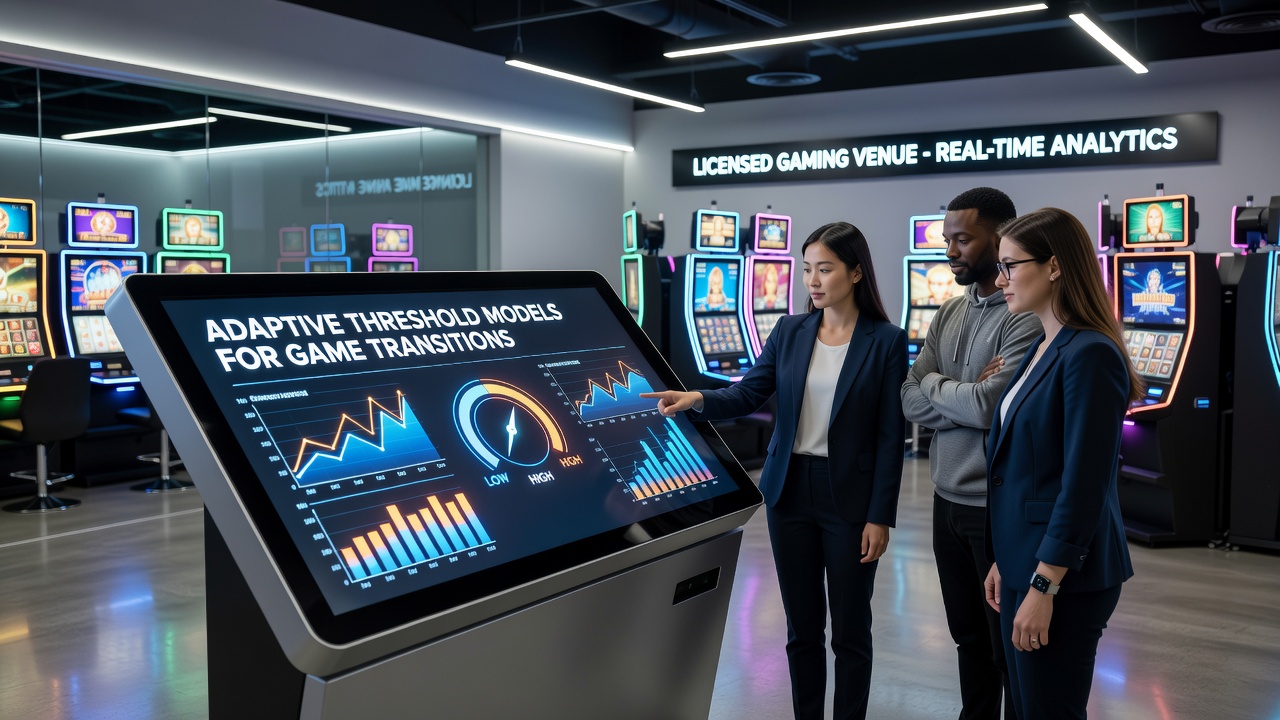
Staff training programs now incorporate modules on interpreting model outputs, because floor personnel must understand when automated suggestions should take precedence over traditional observation methods. The models also support revenue optimization by identifying underutilized games during specific windows and prompting transitions that fill those gaps without pressuring individual players.
Technical Considerations for Deployment
Successful deployment requires robust data infrastructure capable of handling high-volume inputs from hundreds of terminals simultaneously, and venues often partner with specialized software providers to customize threshold parameters according to local licensing conditions. Studies from the Journal of Gambling Studies emphasize the importance of periodic model validation to ensure that adaptive mechanisms remain aligned with actual player demographics rather than outdated assumptions.
Security protocols form another critical layer since these systems process sensitive player information, while encryption standards and access controls prevent unauthorized modifications to the threshold logic. Venues in the United States have reported that integrating these models with existing surveillance networks creates additional layers of accountability during regulatory reviews.
Conclusion
Adaptive threshold models continue to gain traction in licensed gaming venues worldwide as operators seek tools that balance player engagement with compliance demands, and ongoing research supports their role in creating more responsive environments. As regulatory landscapes evolve through 2026 and beyond, venues that invest in these systems position themselves to meet both operational targets and oversight requirements through evidence-based decision frameworks rather than static policies alone.