27 Jul 2026
Mapping Resource Movements in Hybrid Skill-Chance Digital Gaming Systems
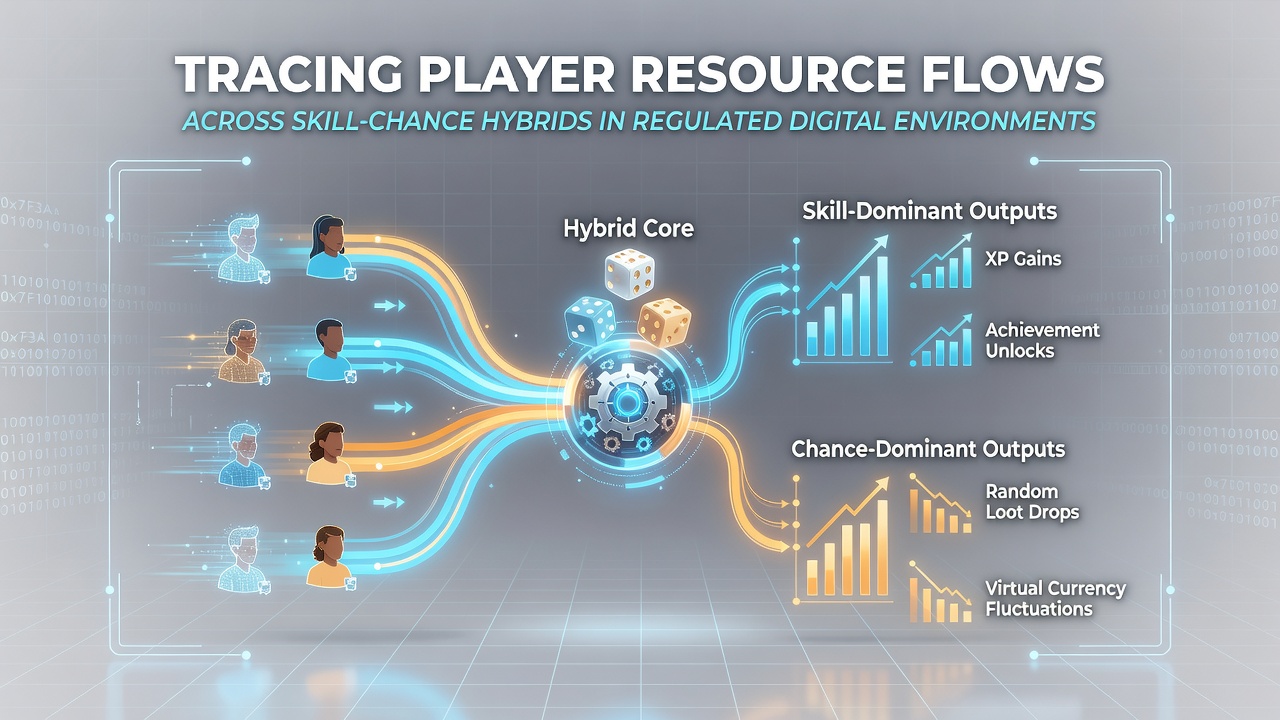
Digital gaming environments that blend skill and chance elements create complex patterns of resource movement including bets, time allocations, and virtual credits, and regulators track these patterns through structured reporting systems that operate across multiple jurisdictions. Observers note that hybrid formats such as certain video poker variants and live dealer table games with random elements require precise monitoring because player decisions interact directly with chance-based outcomes in ways that pure chance games do not.
Defining Hybrid Game Categories
Skill-chance hybrids occupy a distinct category where player expertise influences results alongside random number generators, and classification systems used by oversight bodies separate these titles from pure slots or traditional table games based on measurable decision points per round. Researchers at institutions studying gaming mechanics have documented how resource flows differ when skill components allow bankroll adjustments that respond to observed patterns rather than fixed bet sizes alone.
Data from regulatory filings show that hybrids often generate higher average session lengths because participants adjust wagers dynamically, and this adjustment creates traceable sequences that software logs capture at the transaction level. Those who analyze platform logs find that resource outflows accelerate during skill-heavy segments while inflows from bonuses or promotions follow separate distribution rules set by licensing agreements.
Regulatory Reporting Standards
Authorities in several regions require operators to submit granular transaction data that maps every credit movement through hybrid titles, and these submissions occur on schedules that became stricter after updates implemented in July 2026 across certain North American and European markets. The Nevada Gaming Control Board maintains public datasets that detail how operators categorize hybrid games for compliance purposes, allowing comparisons of resource velocity between jurisdictions.
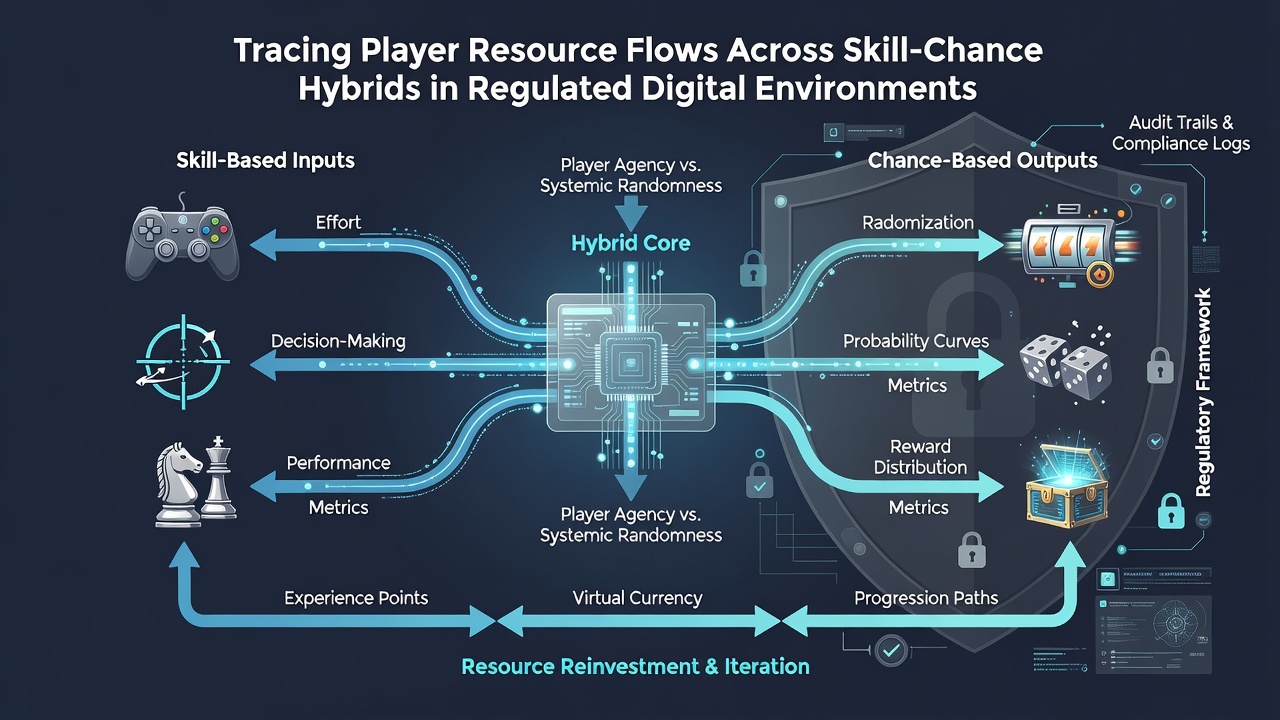
Systems capture entry points where players convert real currency into platform credits, then follow those credits through betting cycles that mix chance spins with skill-based choices such as hold decisions or discard selections. Analysts examine these logs to identify clusters where skill application correlates with sustained resource retention, and the resulting reports feed into broader market stability assessments conducted by government agencies.
Technological Tracking Tools
Platform operators deploy real-time analytics engines that segment player activity by game type, and these engines tag each transaction with metadata indicating whether a skill element or chance element triggered the outcome. Studies published through academic channels, including work affiliated with the University of Nevada Reno, demonstrate that such tagging improves accuracy when tracing how resources migrate between hybrid titles and pure chance offerings within the same account.
Integration with external audit software allows independent verification of flow integrity, and this verification process catches discrepancies that might indicate misclassification of hybrid mechanics. People who review aggregated industry statistics observe that hybrids tend to show steadier resource circulation rates compared with high-volatility slots because repeated skill interactions moderate extreme swings in credit balances.
Cross-Jurisdictional Comparisons
Canadian provincial regulators and Australian state authorities apply distinct classification thresholds for hybrids, and these differences affect how operators structure internal ledgers that record player resource transfers. One documented case involved a multi-jurisdiction operator that adjusted its transaction tagging protocols after regulators requested clearer separation between skill-influenced bets and random payout events.
Resource flow mapping also supports responsible gaming initiatives because patterns of prolonged engagement in hybrids can trigger automated alerts when spending velocity exceeds preset thresholds. Figures released by oversight bodies indicate that hybrid games account for a measurable share of total handle in regulated digital markets, with the proportion rising steadily as more titles incorporate interactive decision layers.
Future Reporting Developments
Updates scheduled for late 2026 and beyond aim to standardize data fields used for hybrid resource tracking, and these changes will require operators to include additional tags that record the exact skill component exercised during each round. Such standardization should reduce reconciliation errors when regulators compare filings across borders.
Conclusion
Tracing player resource flows through skill-chance hybrids demands coordinated technical systems, consistent regulatory definitions, and ongoing adaptation to new game formats. Data collected under current frameworks already reveals distinct circulation patterns that differ from both pure chance and pure skill environments, while further refinements scheduled after July 2026 will likely enhance the precision of these mappings across additional markets.