3 Aug 2026
Session Tracking Mechanics Shape Player Spending Patterns in Mobile Gambling Platforms
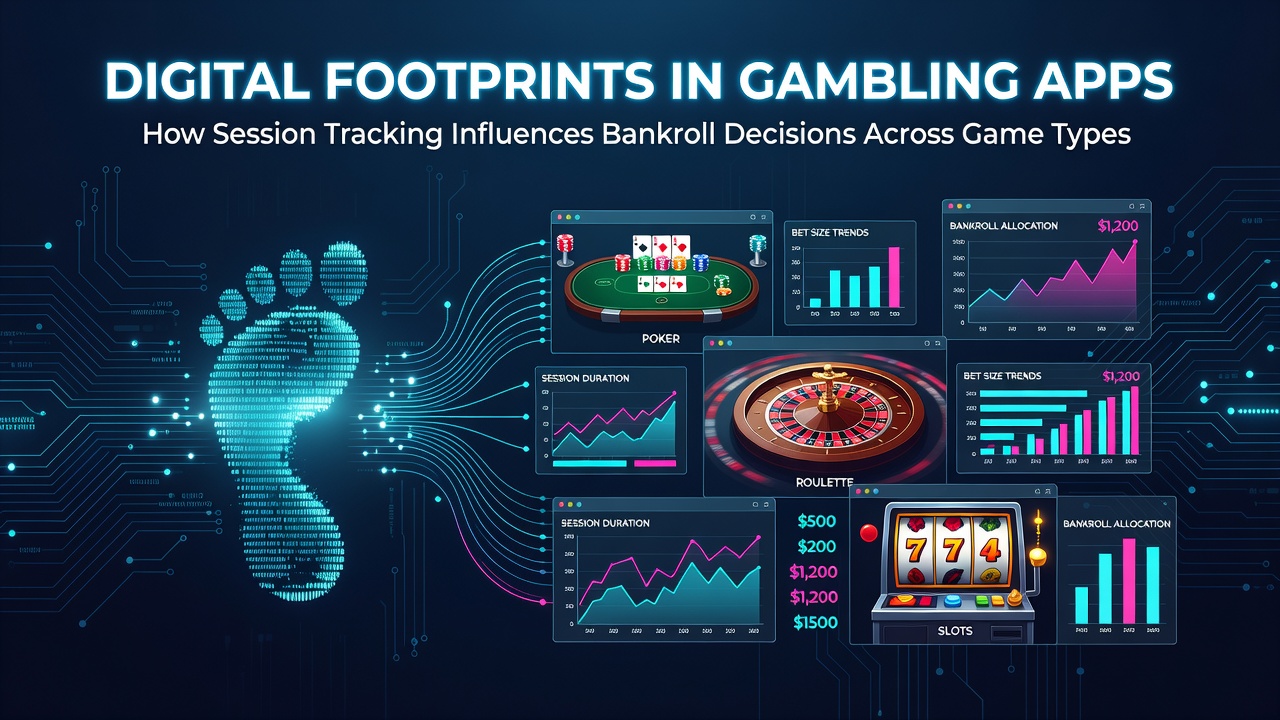
Digital footprints generated by gambling applications capture extensive details about user behavior including session duration, bet frequency, deposit patterns, and game selection sequences, and these records directly feed into algorithms that adjust recommendations and prompt interventions designed to influence how players allocate their funds. Research from academic institutions indicates that such tracking systems operate continuously in the background while users engage with slots, blackjack, roulette, or poker interfaces, and the resulting datasets allow platforms to segment audiences according to risk tolerance and spending velocity.
Core Components of Session Data Collection
Every interaction within an application leaves measurable traces that combine into comprehensive profiles, and developers integrate these signals with machine learning models to predict when a player might increase wager sizes or switch game types. Observers note that time-stamped logs record not only wins and losses but also pauses between decisions, changes in bet amounts, and navigation paths between different game lobbies. Data shows these granular elements enable operators to identify patterns such as prolonged sessions on high-volatility slots or rapid bankroll depletion during blackjack streaks, after which targeted notifications about deposit bonuses or responsible play tools may appear.
Regulatory frameworks in several jurisdictions now require operators to maintain audit trails of these tracking processes, and figures from the Nevada Gaming Control Board reveal that session-level analytics have become standard components of compliance reporting since 2024. Yet the same datasets serve commercial objectives by highlighting moments when players exhibit signs of chasing losses or extending play beyond initial limits, prompting automated messages calibrated to retain engagement.
Influence Across Different Game Categories
Session tracking exerts distinct effects depending on the structural characteristics of each game type, and studies conducted by university researchers demonstrate measurable differences in how data-driven prompts alter bankroll decisions. In slot sessions, algorithms frequently detect extended play periods with consistent small bets and then surface offers that encourage larger stakes, while blackjack tracking tends to focus on decision speed and doubling patterns to infer skill level and risk appetite. Roulette data streams emphasize color and number selection frequencies alongside spin intervals, allowing systems to suggest table variants or live dealer options when players show preference for particular bet structures.
Poker applications track hand histories, fold rates, and tournament entry timing with particular precision, and evidence from industry reports indicates these metrics help platforms recommend cash-game stakes or sit-and-go buy-ins that align with observed bankroll management tendencies. One analysis of aggregated player logs found that individuals who moved between game types within a single session often received cross-promotional incentives that accelerated fund depletion compared with those who remained in one category.
Regulatory and Technical Developments in Mid-2026
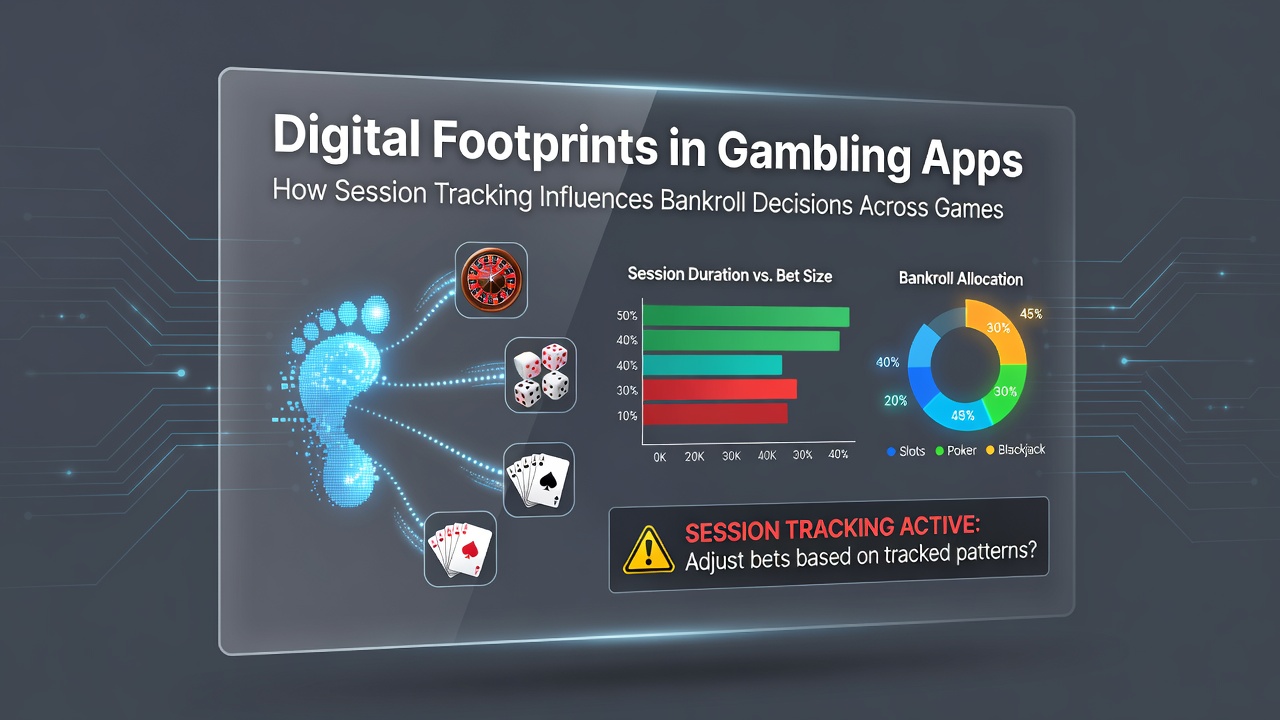
By August 2026 several international bodies had introduced updated standards governing the use of behavioral data in gambling environments, and these changes affected how session information could be applied to bankroll-related prompts. Australian regulatory authorities expanded requirements for transparency around algorithmic interventions, requiring operators to disclose when tracking data triggers changes in displayed stake options or bonus availability. European research consortia published comparative studies showing that jurisdictions with stricter data-use rules recorded lower rates of rapid bankroll turnover during tracked sessions across slots and table games alike.
Technical implementations continue to evolve, and developers now incorporate real-time risk scoring that combines session length with deposit velocity to determine whether to display cooling-off messages or adjusted game recommendations. Those who have examined large-scale datasets observe that players engaging multiple game types within short windows receive more frequent interventions than single-game users, reflecting the higher complexity of cross-category behavior modeling.
Implications for Player Decision Processes
Bankroll allocation strategies shift when platforms leverage session footprints to deliver personalized feedback loops, and reports from Canadian provincial regulators highlight correlations between intensive tracking and altered deposit timing. Players who receive immediate visual summaries of their current session spend often adjust subsequent wager sizes, while those exposed to predictive alerts about potential loss thresholds demonstrate different patterns of game switching. Across all examined categories the presence of persistent tracking creates feedback that can either reinforce disciplined bankroll limits or accelerate spending depending on how the derived insights are presented.
Conclusion
Session tracking within gambling applications generates detailed digital footprints that operators use to shape recommendations and interventions, and these mechanisms operate differently across slots, blackjack, roulette, and poker environments. Available data from multiple regulatory and academic sources demonstrates measurable impacts on how players time deposits and adjust wager levels during active sessions. As technical capabilities and oversight frameworks continue to develop through 2026, the relationship between collected behavioral signals and bankroll decisions remains a central focus for both industry participants and oversight bodies worldwide.